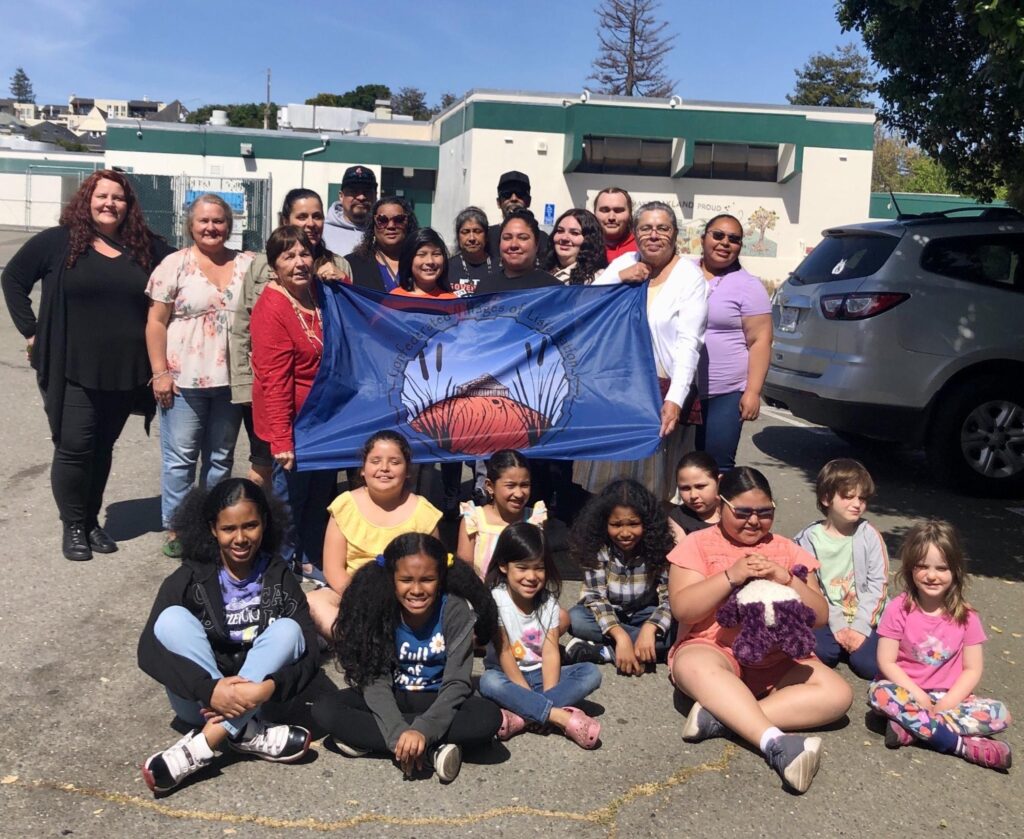
The Lisjan people have lived in the East Bay since time immemorial.
For thousands of years, hundreds of generations, the Lisjan people have lived on the land that is now known as the East Bay in the San Francisco Bay Area. We did not own the land, we belonged to it. Generation after generation, we cultivated reciprocal relationships with the plants and animals we shared this place with and developed beautiful and powerful cultural practices that kept us in balance.
The Lisjan are made up of the seven nations that were directly enslaved at Mission San Jose in Fremont, CA and Mission Dolores in San Francisco, CA: Chochenyo (Ohlone), Karkin (Ohlone), Bay Miwok, Plains Miwok, Delta Yokut and Napian (Patwin). Our territory includes 5 Bay Area counties; Alameda, Contra Costa, Solano, Napa and San Joaquin, and we are directly tied to the “Indian Town” census of the 1920’s and the Verona Band.
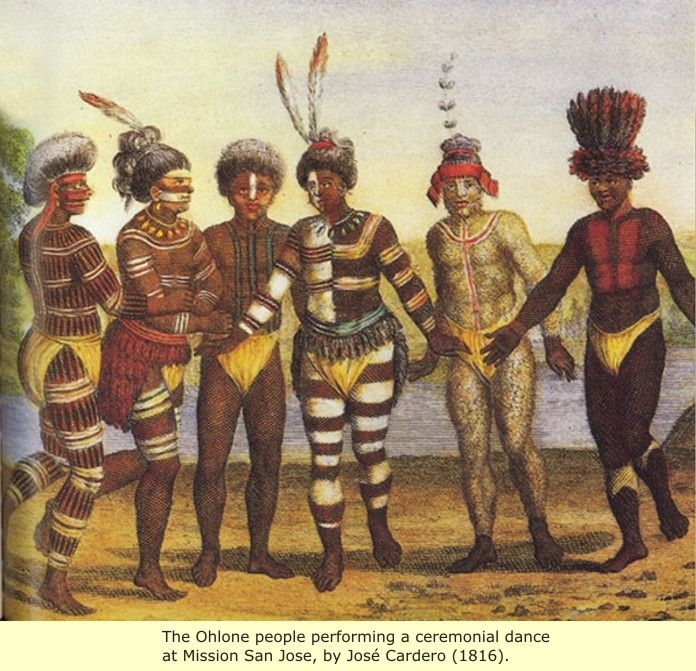
The colonization of this land began with the reign of terror inflicted by Spanish soldiers and missionaries who sought to convert all Indigenous people into Catholic subjects of Spain and steal their land. The Missions were plantations, built by slave labor and sustained through brutal physical violence and extractive land practices. The Spanish brought deadly diseases, invasive species and Christian ideology based on human dominion of the natural world with devastating consequences for the Lisjan people and all living beings they shared the land with.
After a brief but harrowing Mexican rancho period, Lisjan survivors faced extermination policies of the United States that aimed to eliminate California Indians entirely. In a climate of malicious racial discrimination and state-sponsored vigilante killings, most Lisjan families survived by isolating themselves and concealing their identities. Cultural and spiritual traditions were forced into dormancy or secrecy, and much knowledge perished with the passing of generations. Mexico won its independence from Spain and gave away huge swaths of land to soldiers in the army and our ancestors became enslaved at ranchos of Peralta, Bernal and others, creating adobe houses for those that were soldiers and their families. while living as slaves on the ranchos. America then won a war against Mexico and created a new kind of terror in our lands. A terror of extermination. The new State of California paid soldiers, ranchers and miners to kill native people, $5 a head and $0.25 an ear. During this time, our ancestors hid out, many of them in a place called Pleasanton today. In a tiny area called “Indian Town” made up of the native people that had left Mission San Jose. They went to work on ranches and newly created townships. We were named the Verona Band, made up of those that had been baptized at Mission San Jose. This Indian Township was near the Phoebe Hearst Family ranch and a train station named Verona which is where the historical name the Verona Band is derived from. The last round house in our area was at this place. Despite these concerted efforts to erase our history and identity, the Lisjan community forms a diverse and vibrant constellation of nations and families. Utilizing a wide array of survival strategies to navigate a profoundly altered 21st century world, we continue to revitalize our cultural practices and uphold our responsibilities to protect and care for our ancestral homeland.